%20--%3e%3cpath%20d='M128%2056%20L144%20128%20L128%20116%20L112%20128%20Z'%20fill='%23d39b4a'/%3e%3c!--%20Compass%20needle%20-%20South%20(white)%20--%3e%3cpath%20d='M128%20200%20L144%20128%20L128%20140%20L112%20128%20Z'%20fill='%23ffffff'%20opacity='0.85'/%3e%3c!--%20Center%20circle%20--%3e%3ccircle%20cx='128'%20cy='128'%20r='12'%20fill='%23d39b4a'/%3e%3ccircle%20cx='128'%20cy='128'%20r='6'%20fill='%230f4f52'/%3e%3c/svg%3e)
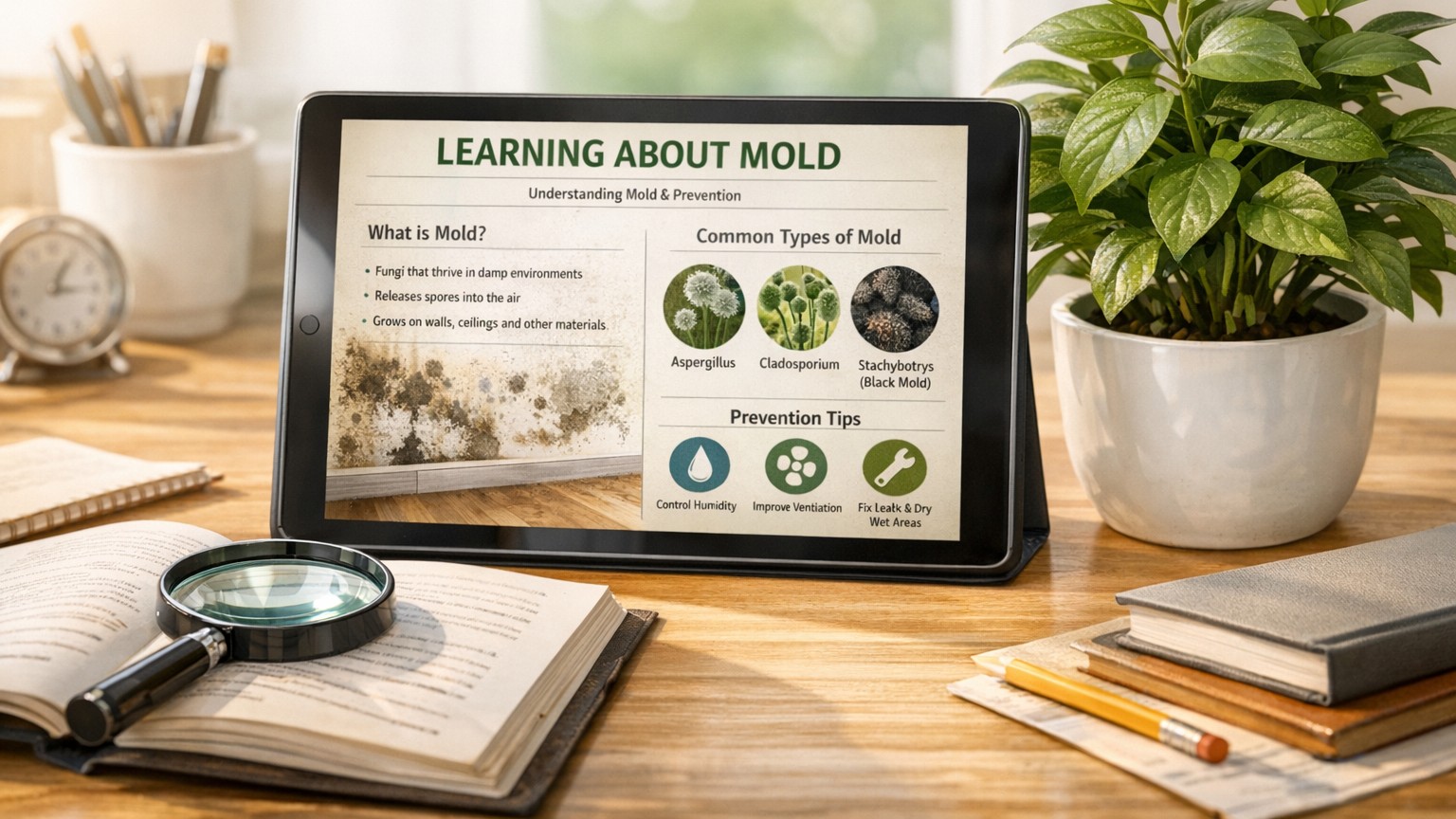
When mold appears in a rental property, who's responsible? The answer depends heavily on where you live. While federal law doesn't address residential mold, many states have enacted their own regulations. Check our state-by-state guide for specific laws in your area.
States With Specific Mold Laws
California, Texas, Maryland, and New Jersey are among the states with explicit mold disclosure or remediation requirements. In California, for example, landlords must disclose known mold presence before signing a lease and address mold that makes the unit uninhabitable. See our detailed guides for California and Texas mold laws.
The Implied Warranty of Habitability
Even in states without specific mold laws, tenants have protection. Nearly every state recognizes an "implied warranty of habitability" — the landlord's obligation to maintain rental units in livable condition. Significant mold growth often violates this warranty. Learn more about your renter rights.
Document Everything
Regardless of your state, documentation is crucial. Take dated photos, save all communication with your landlord, and keep copies of any medical records if you experience health symptoms. Written notice to your landlord creates a paper trail that protects your rights.
When to Seek Legal Help
If your landlord refuses to address a serious mold problem after proper notice, consider consulting a tenant rights attorney. Many offer free consultations, and some mold cases may qualify for legal aid assistance. In extreme cases, you may need to consider breaking your lease.