%20--%3e%3cpath%20d='M128%2056%20L144%20128%20L128%20116%20L112%20128%20Z'%20fill='%23d39b4a'/%3e%3c!--%20Compass%20needle%20-%20South%20(white)%20--%3e%3cpath%20d='M128%20200%20L144%20128%20L128%20140%20L112%20128%20Z'%20fill='%23ffffff'%20opacity='0.85'/%3e%3c!--%20Center%20circle%20--%3e%3ccircle%20cx='128'%20cy='128'%20r='12'%20fill='%23d39b4a'/%3e%3ccircle%20cx='128'%20cy='128'%20r='6'%20fill='%230f4f52'/%3e%3c/svg%3e)
What Is Mold?
Understanding what mold is, how it grows, and why it appears in homes. A scientific yet accessible guide to household mold.
Common Indoor Molds
Identify common household molds including Cladosporium, Penicillium, Aspergillus, and Alternaria. Learn their characteristics and health impacts.
Black Mold Facts
What black mold usually means, why color is not a reliable risk signal, and what to do when you find dark mold growth.
Musty Smell
What to do when you smell mold but cannot see it. Guide to finding hidden mold sources and addressing musty odors.
Hidden Mold
Follow moisture, damage, and musty odors to find possible hidden mold, investigate safely, and know when concealed materials need professional help.
Mold vs Mildew
Learn the difference between mold and mildew, how to identify each, when to take action, and when you need professional help.
Growth Conditions
Understand what conditions allow mold to grow: moisture, temperature, food sources, and time. Essential knowledge for prevention.
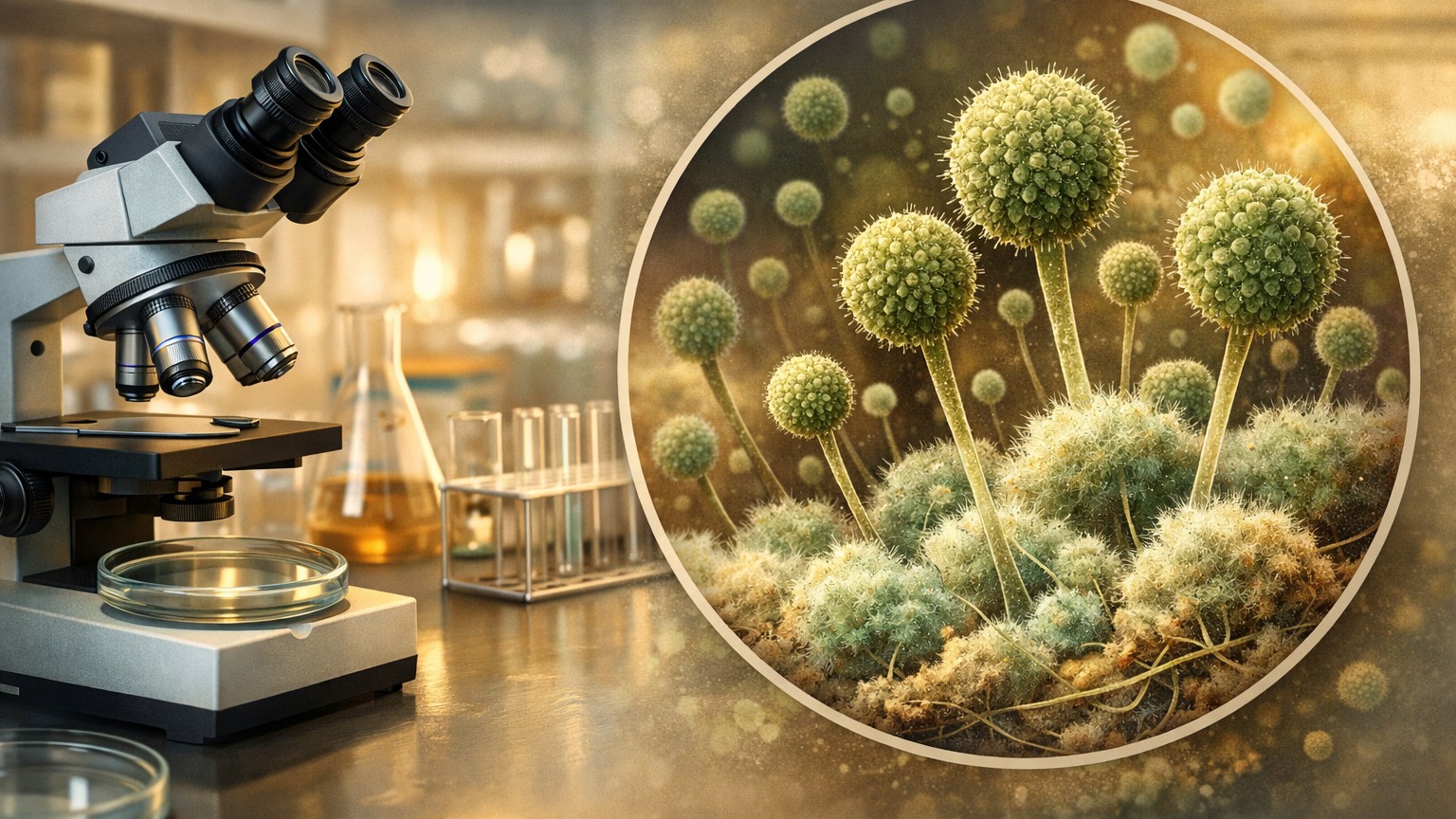
Mold is a type of fungus with many species, and it exists indoors and outdoors in every climate. The useful question is not whether mold exists somewhere in the building, but whether it is growing because moisture has been left unchecked. Once that happens, mold can affect materials, indoor air, and occupant comfort. See our health effects guide if symptoms are part of the picture. EPA guidance still points to the core issue: moisture control is mold control. That is why prevention and remediation both start with finding the water source.
Get the Free Checklist
Practical steps you can take today, delivered to your inbox.
Frequently Asked Questions
Is all mold dangerous?
Can I just paint over mold?
How quickly does mold grow after water damage?
What humidity level prevents mold growth?
Do I need to identify the mold species?
Should I clean or document first when I spot mold today?
Educational content based on EPA, CDC, and WHO guidelines. Not a substitute for professional assessment.